

Fume hoods are the most important safety device in a laboratory. They allow laboratory personnel to conduct procedures involving hazardous materials in a safe environment.
While they are built to last, most have a practical lifespan of 15–20 years, and knowing the fume hood replacement signs before something goes wrong is a lot better than finding out the hard way.
Sign 1: It Failed Its Annual Face Velocity or Safety Inspection
A fume hood’s primary function is to keep people safe. OSHA and most institutional safety programs require annual fume hood inspection, which typically includes a face velocity test to confirm airflow stays within the 80–120 fpm range needed for safe containment. If your hood fails its face velocity test or shows signs of containment failure, meaning vapors aren’t being pulled away from the work zone, that’s not a maintenance issue you patch. That’s a replacement conversation.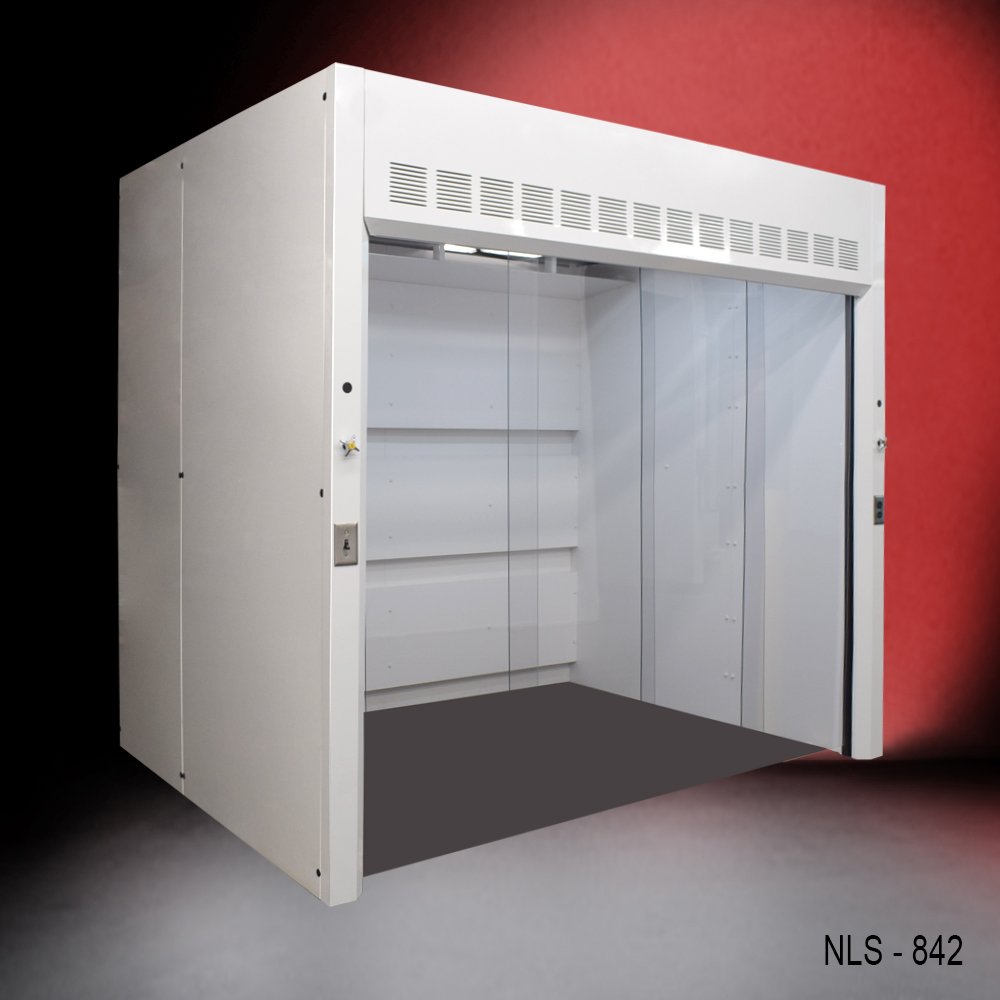
Sign 2: The Technology Is Outdated — and Costing You More Than You Think
The most obvious indicator that it’s time for a new fume hood is age. Old fume hoods have older technology and put laboratory employees at greater risk. Beyond the safety gap, older fume hood maintenance costs add up fast: worn seals, degraded liners, and outdated filtration components all get harder and more expensive to source as a hood ages.
With advances in technology, fume hood efficiency is always improving. A new fume hood will operate and reduce exposure to chemicals better than an older model. Newer hoods also use liner materials rated for a broader range of chemical exposures, so you’re not working around material compatibility limitations that come with an older unit.
Sign 3: You’re Seeing Physical Warning Signs
Permanent fume hood sash fogging, discoloration or chemical staining on interior surfaces, and grinding or rattling from the blower motor are all physical signs that your hood is past its prime — not just worn, but structurally compromised. A degrading hood will technically still run but ‘technically running’ and ‘actually protecting you’ aren’t the same thing. At that point, you’re due for a replacement, not a repair.
Sign 4: Your Lab Has Grown or Changed, and the Hood Hasn’t
If your laboratory has expanded since you purchased your existing fume hood, it may be time to upgrade. Additional staff may mean more demand and use required of the fume hood. A hood sized and spec’d for your current lab capacity, with the right linear footage and sash configuration for your workflow, keeps things safer and more efficient than pushing an undersized older unit beyond what it was designed for.
Ready to replace your current hood? Browse our selection of fume hoods or call us at (815) 670-6400. We can help you match the right unit to your lab’s footprint and application.