

Selecting the right fume hood blower is one of the most important decisions when setting up or upgrading a laboratory exhaust system. The blower controls airflow, ensures proper containment, and supports the safe handling of hazardous materials. The following guide helps you compare blower types, choose the right materials, size your equipment correctly, and understand performance factors that influence long-term reliability.
What a Fume Hood Blower Does and Why It Matters
A fume hood blower is the component that creates negative pressure and moves contaminated air out of the workspace. Without a properly sized laboratory exhaust blower, a hood cannot maintain a stable face velocity or contain hazardous fumes, vapors, or particulates.
How Blowers Support Safe Laboratory Operation
A blower works with the hood, ductwork, and airflow controls to remove airborne contaminants and discharge them outside. This process protects personnel, maintains compliance with safety standards, and supports consistent chemical handling.
The Blower’s Role in the Ventilation System
The blower is part of a larger fume hood ventilation system that manages airflow volume, duct resistance, and exhaust velocity. Choosing the correct blower ensures the entire system performs as intended.
Blower Housing Materials and Chemical Compatibility
The blower’s housing material must match the chemical profile of the lab. Different substances produce corrosive fumes that can degrade improperly selected materials.
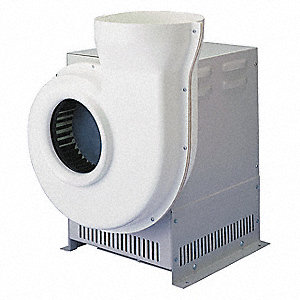
Fiberglass for moderate to highly corrosive conditions.
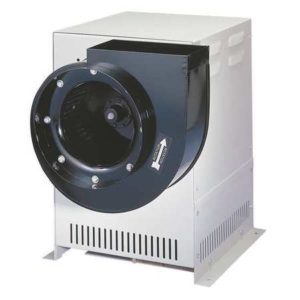
Coated Steel for low to moderately corrosive applications.
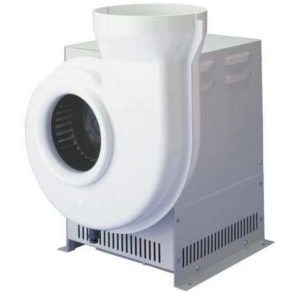
PVC for perchloric acid and other corrosive applications.
Fiberglass for Mixed-Use Environments
Fiberglass-reinforced polyester provides balanced durability and chemical resistance, making it suitable for labs with varied chemical workloads.
Steel and Coated Steel for General Use
Epoxy-coated steel blowers resist mild corrosives and work well for general chemistry applications or basic inorganic materials.
PVC and Polypropylene for Corrosive Chemicals
PVC and polypropylene housings offer superior resistance to acids, corrosive vapors, and aggressive chemicals.
Understanding Airflow, CFM, and Static Pressure Requirements
Accurate sizing is essential for safe, consistent performance.
How to Calculate Required Airflow (CFM)
Required airflow depends on the hood opening size and the target face velocity (commonly 80–120 FPM).
⇒ CFM = Hood Opening Area × Desired Face Velocity
This baseline helps determine blower sizing requirements before analyzing duct influences.
What Static Pressure Is and Why It Matters
Static pressure represents airflow resistance inside the ductwork. It is influenced by:
-
duct length
-
number of elbows
-
transitions or reducers
-
airflow control devices
A high-performance blower motor must be selected to overcome this resistance and maintain proper containment.
How Ductwork Impacts Blower Selection
Long runs, multiple elbows, or complex routing increase resistance. In these situations, a variable-speed fume hood blower or larger external blower may be required.
Matching Blower Size and Performance to Your Laboratory Setup
Correct sizing prevents common issues such as weak airflow, noise, and energy waste.
Selecting Blower Capacity Based on Hood Characteristics
Manufacturers list CFM requirements for each hood size. Pair these with your system’s static pressure calculations to determine the proper blower.
Standard vs. Variable-Speed Blowers
Standard models run at a fixed speed, while variable-speed units adjust airflow automatically—ideal for labs with fluctuating occupancy, mixed chemical loads, or energy-sensitive environments.
Noise, Motor Type, and Energy Performance
Noise level, motor efficiency, and housing design all influence the long-term functionality of your blower. External blowers often run quieter because they are positioned outdoors rather than above the workspace.
Expert Tips and Best Practices
Choosing and properly sizing a blower can be a complex process. There are many factors involved and many details that play a role and ultimately impact the performance of the hood. To ensure that your fume hood will work properly, consult an expert to discuss your needs and determine a solution that will benefit your laboratory.
Learn about maintaining your fume hood blower for sustained performance and recognizing the signs that indicate it’s time for an upgrade. And if your fume hood blower is broken, a replacement blower is an option. But it may be time for the fume hood to be upgraded: When is it Time to Upgrade Your Fume Hood?
FAQs
- How do I know if my fume hood blower needs an upgrade? Signs include inefficient air removal, noticeable wear, or if it doesn’t meet the latest safety standards.
- Can I upgrade my current blower? Yes, many hoods can accept upgraded models. A replacement fume hood blower may be needed if your current system cannot maintain the required airflow or uses outdated materials.
- How often should fume hood blowers be inspected? Regular inspections, at least annually, are recommended to ensure they function correctly and safely.
- Why does my blower make noise? Noise increases when bearings wear down, belts slip, or buildup accumulates on the blower wheel. External blowers naturally run quieter due to their placement outside the building.
- What size fume hood do I need? The fume hood size that you need will depend on factors such as the equipment you plan to use inside the hood, the type of work you will be performing, and how large your physical space is.
-
What if my ductwork is long or complex? High-resistance duct designs often require a more powerful or variable-speed blower to maintain safe airflow.